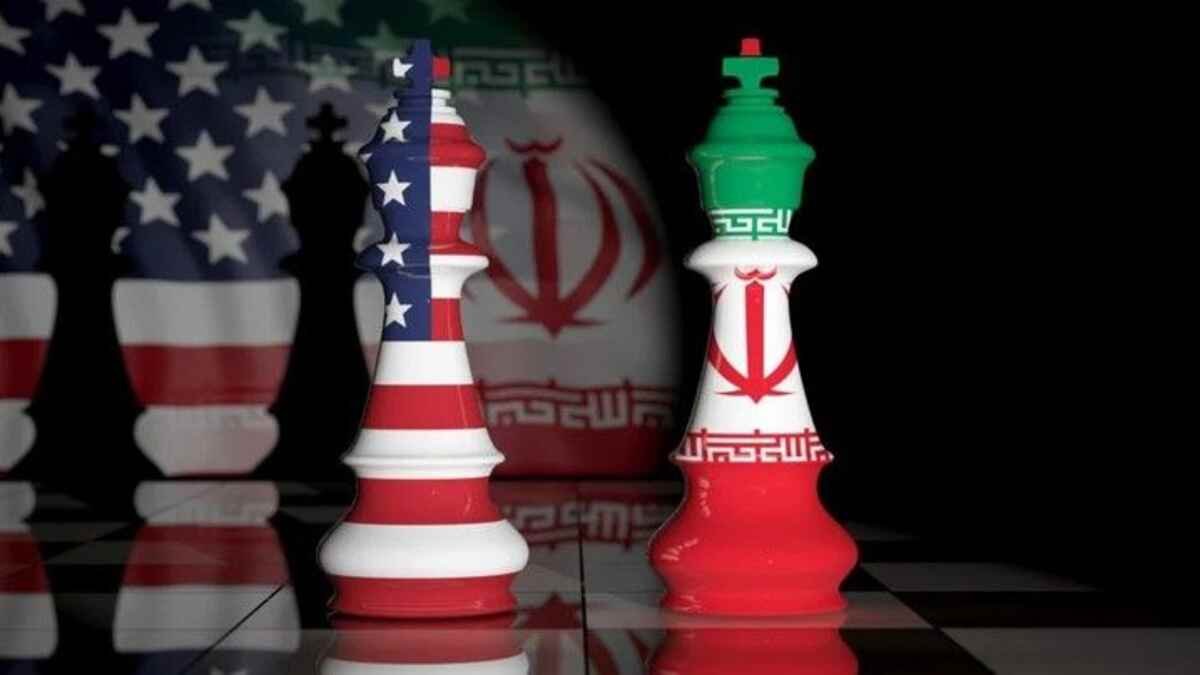
The ongoing conflict between the United States, Israel, and Iran has surged into a dramatic new phase that is rattling governments, economies, and diplomatic relations across the globe. What began as coordinated military action by the US and Israel against Iranian targets has rapidly escalated into a broader regional crisis with real and immediate worldwide consequences.
On March 3, 2026, the Israeli Defense Forces (IDF) confirmed they had carried out overnight air strikes against key government facilities in Tehran, including the Iranian presidential office and the Supreme National Security Council building. The strikes marked one of the most direct and provocative actions yet in this conflict, intensifying already high geopolitical tensions.
In retaliation, Iran launched multiple drone and missile attacks targeting US diplomatic facilities and allied interests across the Gulf. In a dramatic escalation, Iranian drones struck the US Embassy compound in Riyadh, Saudi Arabia, causing a fire and prompting emergency responses. Washington responded by ordering non-essential personnel and families of government staff to evacuate from multiple Middle Eastern nations, including the United Arab Emirates, Kuwait, Qatar, Bahrain, Iraq, and Jordan, citing increased threats to safety and regional instability.
As the conflict expanded, Iran’s retaliation wasn’t limited to diplomatic sites. Its missile and drone barrages also reached into Israeli territory and Arab states in the Gulf, drawing fierce condemnation from Gulf Cooperation Council (GCC) nations such as the UAE, Qatar, Bahrain, Kuwait, and Saudi Arabia. These states labeled Tehran’s actions as violations of their sovereignty and have begun to coordinate more closely with Western partners on defensive measures.
The crisis has also seen Hezbollah, a Lebanese militia allied with Iran, enter the fray. The group has launched rocket and drone attacks against Israeli military bases, which were met by Israeli air raids in southern Lebanon. This marks one of the most severe confrontations between Israeli forces and Hezbollah in years, displacing tens of thousands of civilians and amplifying fears that the conflict could extend beyond traditional borders.
A critical point of international concern has been the 2026 Strait of Hormuz crisis. This narrow waterway is one of the world’s most vital chokepoints for global oil and gas shipments, accounting for roughly 20% of daily seaborne oil trade. Following Iran’s threats and attacks, shipping traffic plunged dramatically as insurers withdrew war-risk coverage and many vessels avoided transits altogether. The effective closure of the strait has already sent crude oil prices soaring, with benchmarks climbing sharply on fears of prolonged supply shortages.
The ripple effects of the conflict are being felt far beyond the Middle East. Global energy markets have reacted with volatility, stock indices in major economies have wavered, and airlines have adjusted schedules or suspended flights through affected airspace. Nations with large expatriate populations in the Gulf are scrambling to issue travel advisories and assist citizens potentially caught in harm’s way.
Diplomatically, reactions have been mixed. Russia has condemned the US-Israel strikes as unprovoked aggression, warning that such military actions risk creating humanitarian and economic disasters. At the same time, Western allies are grappling with how best to de-escalate tensions without appearing weak.
Despite multiple calls for restraint from the United Nations and other international bodies, there is no clear path to de-escalation yet. Leaders from different regions are urging immediate negotiations and humanitarian protections, but the military operations and counter-operations continue unabated.
As the drama unfolds, the conflict between the United States, Israel, and Iran stands not just as a regional dispute but as a flashpoint with far-reaching consequences, affecting global diplomacy, energy markets, international security, and countless civilian lives. The world watches closely as this volatile chapter of modern history continues to unfold.