The automotive industry is rapidly transforming as manufacturers and tech companies race to build next-generation software platforms that will run the electric vehicles of tomorrow. No longer just about hardware and batteries, this evolution is being driven by new electric vehicle operating systems (EV OS) and software-defined vehicle architectures that promise smarter, safer, more connected mobility experiences for drivers around the world.
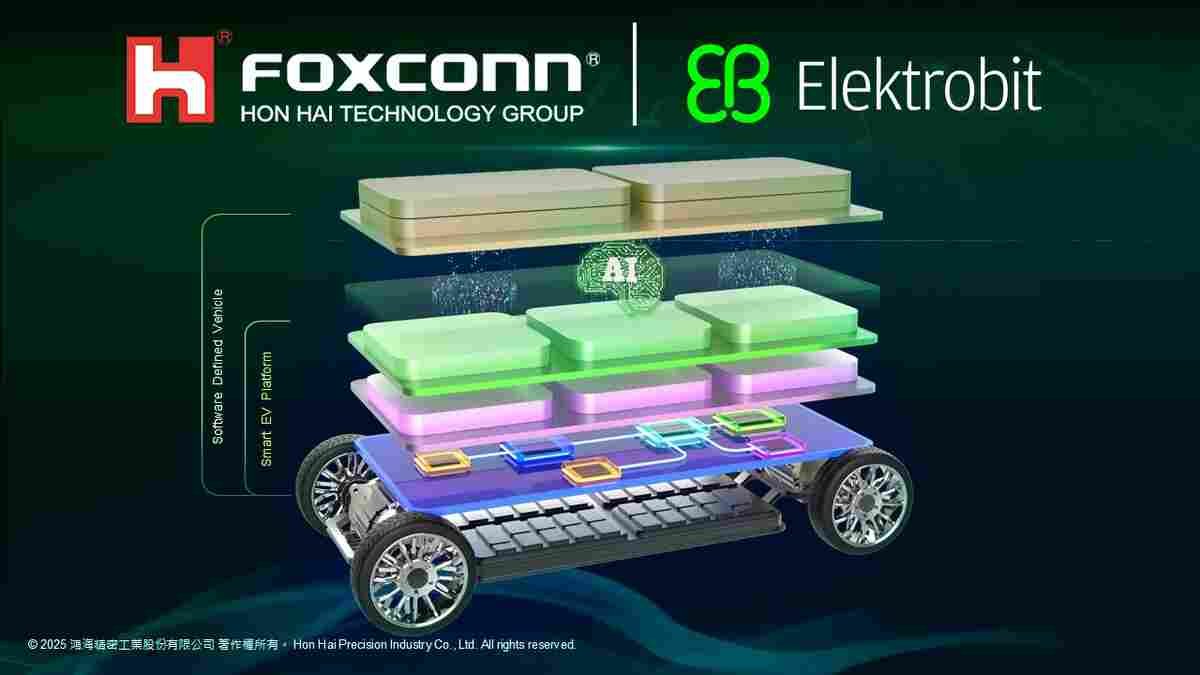
Among the most significant developments is the unveiling of EV.OS, an AI-centric automotive platform being developed jointly by German software firm Elektrobit and global electronics giant Foxconn. This platform is designed from the ground up as a flexible, intelligent base system capable of integrating hardware and software seamlessly, enabling real-time control of key vehicle functions while supporting future upgrades and third-party apps. The collaboration aims to simplify manufacturing complexity, reduce costs and accelerate the industry’s transition toward fully software-defined electric vehicles.
Unlike traditional vehicle software that is often fragmented across many disparate modules, EV.OS takes a holistic approach to vehicle computing, offering scalability across platforms and strong integration capabilities. Automakers adopting such systems will be better equipped to deploy features like predictive maintenance, adaptive driver assistance and enhanced connectivity, all supported through over-the-air updates similar to smartphone ecosystems.
The race to embed advanced operating systems in EVs is not limited to this single platform. Across Asia and Europe, other major players are developing their own software ecosystems to control everything from infotainment to autonomous driving. For example, Hyundai Motor Group launched its own mobility software brand called Pleos, positioning it as a core platform for software-defined vehicles (SDVs). Pleos aims to unify the operating environment in new models and foster an app ecosystem similar to mobile platforms, allowing developers to create in-car applications that work seamlessly with connected mobility services.
Beyond dedicated software brands, many traditional automakers are integrating comprehensive operating systems directly into vehicle architectures. Chinese manufacturers are incorporating advanced systems that enhance connectivity and in-car experiences, often co-developed with major tech partners to ensure compatibility with smartphones and cloud services. In recent mass-market models, automakers like MG have introduced custom OS integrations that support real-time updates, voice control and smartphone mirroring, reflecting a broader trend in vehicle software innovation.
Even global automotive groups such as Volkswagen are building unified operating systems that tie together vehicle hardware with cloud services, data analytics and autonomous driving stacks, underlining the strategic importance of software for future mobility. These operating systems will be fundamental in delivering advanced driver assistance, coordinated fleet services and seamless user experiences across multiple vehicle models.
The push toward software-centric EVs is also reshaping manufacturing strategies. With software platforms acting as the backbone of electric vehicles, companies are investing heavily in cloud connectivity, cybersecurity and data processing capabilities. These investments are expected to improve vehicle security, reduce time-to-market for new features and enhance the lifespan of EV technologies. Over-the-air update frameworks, similar to those used by consumer electronics, are set to become standard, allowing vehicles to evolve continually long after they leave the factory.
Industry analysts forecast explosive growth in the EV platform and software market over the next decade. As electrification accelerates worldwide and governments tighten emissions targets, demand for advanced EV operating systems is projected to surge, with the global EV platform market set to grow many times over by 2034.
This wave of innovation marks a significant shift from traditional automotive engineering toward a world where software defines the vehicle experience. Electric cars are no longer static hardware products; they are becoming dynamic, connected devices on wheels, capable of learning, adapting and improving throughout their lifespan. With next-generation operating systems leading the charge, the future of mobility is undeniably digital.