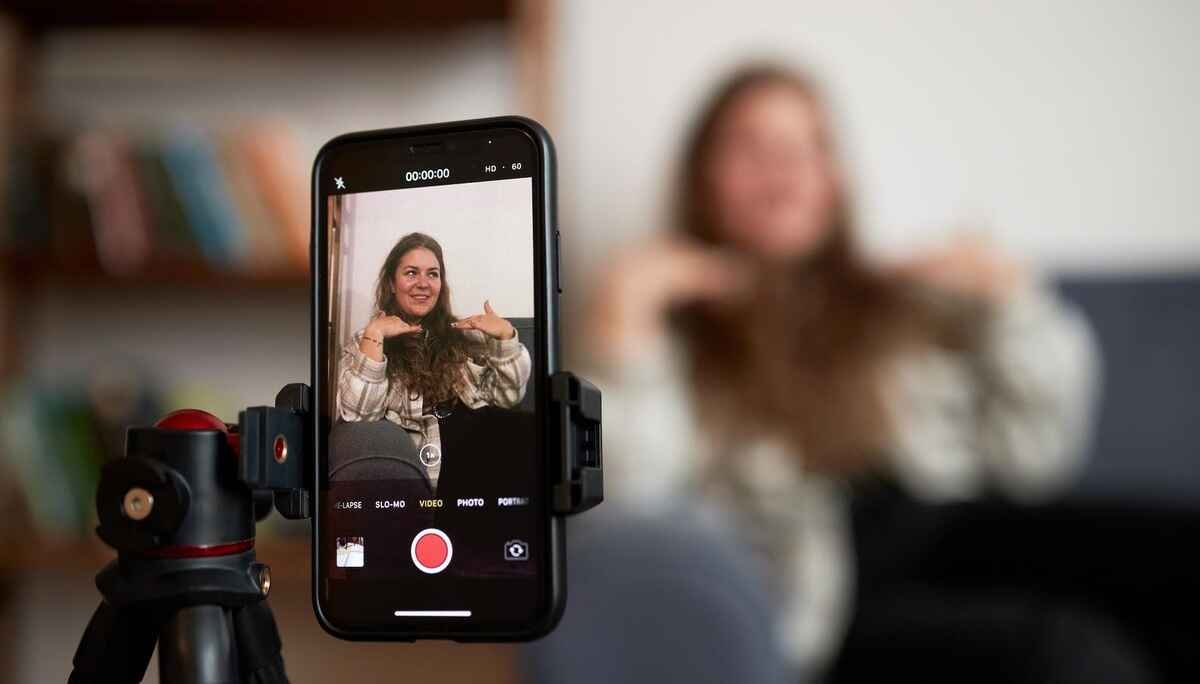
The global streaming industry is undergoing a major transformation as platforms increasingly adopt vertical video formats designed specifically for smartphones. Traditionally, movies and television shows were produced in horizontal widescreen formats for televisions and cinemas. However, as mobile viewing continues to dominate digital entertainment, streaming services are rapidly redesigning their platforms to deliver content that fits naturally on vertical smartphone screens.
This shift reflects a fundamental change in how audiences consume video. Mobile devices have become the primary screen for millions of viewers around the world, especially among younger generations. Studies show that vertical video now accounts for a large share of mobile viewing, with social media platforms like TikTok, Instagram Reels, and YouTube Shorts helping popularize the portrait-style format. Streaming companies are now adapting to these habits in order to remain competitive in an increasingly mobile-first entertainment landscape.
One of the most notable recent developments comes from Disney’s streaming service, which has begun introducing a new feature that allows users to scroll through vertical clips from movies and television shows. The feature provides a personalized feed of short previews, allowing viewers to swipe through content before deciding what to watch. The goal is to help audiences discover new titles quickly while making the experience feel similar to browsing short-form social media videos.
Other major platforms are following similar strategies. Netflix has announced plans to redesign its mobile application to include short vertical video feeds that highlight clips from its original shows and films. These feeds allow users to scroll through curated snippets and jump directly into full episodes or movies with a single tap. The company believes that this format can make content discovery easier and keep viewers engaged for longer periods on mobile devices.
Sports streaming is also entering the vertical video era. NBCUniversal’s Peacock platform recently revealed plans to broadcast certain live sports events in a vertical format optimized for mobile screens. Using artificial intelligence, the system automatically tracks the action on the field and adjusts the video frame to ensure the most important moments remain visible in the portrait orientation. This technology allows fans to watch games comfortably without rotating their phones.
The rise of vertical video is also fueling a new entertainment genre known as micro-dramas. These are short episodic stories designed to be watched in quick bursts on smartphones. Industry analysts estimate that micro-drama platforms generated billions of dollars in revenue in recent years, and the market is expected to grow rapidly as more viewers embrace mobile-friendly storytelling.
For streaming companies, adopting vertical video is not simply about following a trend. It represents a strategic move to compete with social media platforms that dominate short-form video consumption. By integrating vertical clips directly into their apps, streaming services hope to capture the attention of viewers who increasingly prefer quick, swipeable entertainment experiences.
Technology is also playing a key role in this transition. Artificial intelligence tools can automatically crop horizontal video into vertical frames, track moving subjects, and generate short highlight clips from longer shows. This allows streaming platforms to repurpose existing content libraries without requiring every scene to be filmed again in portrait format.
Despite the rise of vertical video, traditional widescreen movies and series are not expected to disappear. Cinematic storytelling still relies heavily on wide framing and high-quality production values. Instead, vertical video is likely to serve as a complementary format used for discovery, previews, and short-form storytelling.
As streaming companies continue experimenting with new formats and mobile features, the battle for viewer attention is becoming more intense. Platforms that successfully combine cinematic entertainment with smartphone-friendly experiences may define the next generation of digital media consumption. For audiences around the world, the way entertainment is watched may soon be just as important as the stories themselves.